
Founder’s Playbook
Reports & Publications
An effective report doesn’t just describe reality—it changes what people are willing to do about it. Over the course of Robert’s career, policy and research reports have supported organizations addressing complex and politically charged challenges, from caregiving and aging to workforce issues and beyond.
Strategy by Robert Espinoza, design by RD Design, and photography by Valdek Dmytrowski for PHI, Funders for LGBTQ Issues, and SAGE – Advocacy & Services for LGBTQ+ Elders, with images courtesy of the partner organizations.
Designing What Comes Next
-
Making the invisible impossible to ignore. Many of the issues these organizations sought to elevate were either politically volatile or largely invisible. Caregiver shortages were treated as inevitable. Aging systems were viewed as technical backwaters. LGBTQ older adults were rarely centered in policy debates. The long-term care system was discussed in fragments, stripped of human consequence.
The challenge was consistent:
How do you get people to see and feel problems they’ve avoided for decades?
And how do you persuade policymakers to act where they had not before?
Those moments demanded a different kind of policy report—one that could meet readers emotionally before asking them to grapple with complexity.
-
Human stories first, systems second. Robert played a leading role in developing an approach that blended human-centered storytelling, rigorous research, and reader-first design.
Each report began with published analysis, which often tapped research, expert thinking, and lived experience—workers, families, older adults, service providers—before widening out to policy analysis and systems change. This sequencing allowed readers to connect emotionally while encountering data, charts, and rationale policy arguments.
Rather than writing about people, the reports were written for readers—anticipating their questions, constraints, and attention spans. The goal as clarity without oversimplification and rigor without detachment.
-
Reader-centered publications & resources designed to drive understanding and action. These reports evolved from documentation into catalysts for shaping state and federal policy, informing Congressional testimony, and becoming trusted resources for advocates, funders, and researchers. By pairing lived experience with rigorous analysis, the work elevated marginalized voices and reframed caregiving, long-term care, LGBTQ aging, and workforce interventions as interconnected systems that demand action. Clear narratives and accessible design helped shift public understanding, expand media attention, and unlock new partnerships and funding.
In this sprit, potential CareWorks Project clients seeking research, narrative, or communications support gain publications that clarify complexity, engage diverse audiences, and translate insight into influence—work that respects readers’ time, strengthens credibility, and helps ideas move from page to practice.
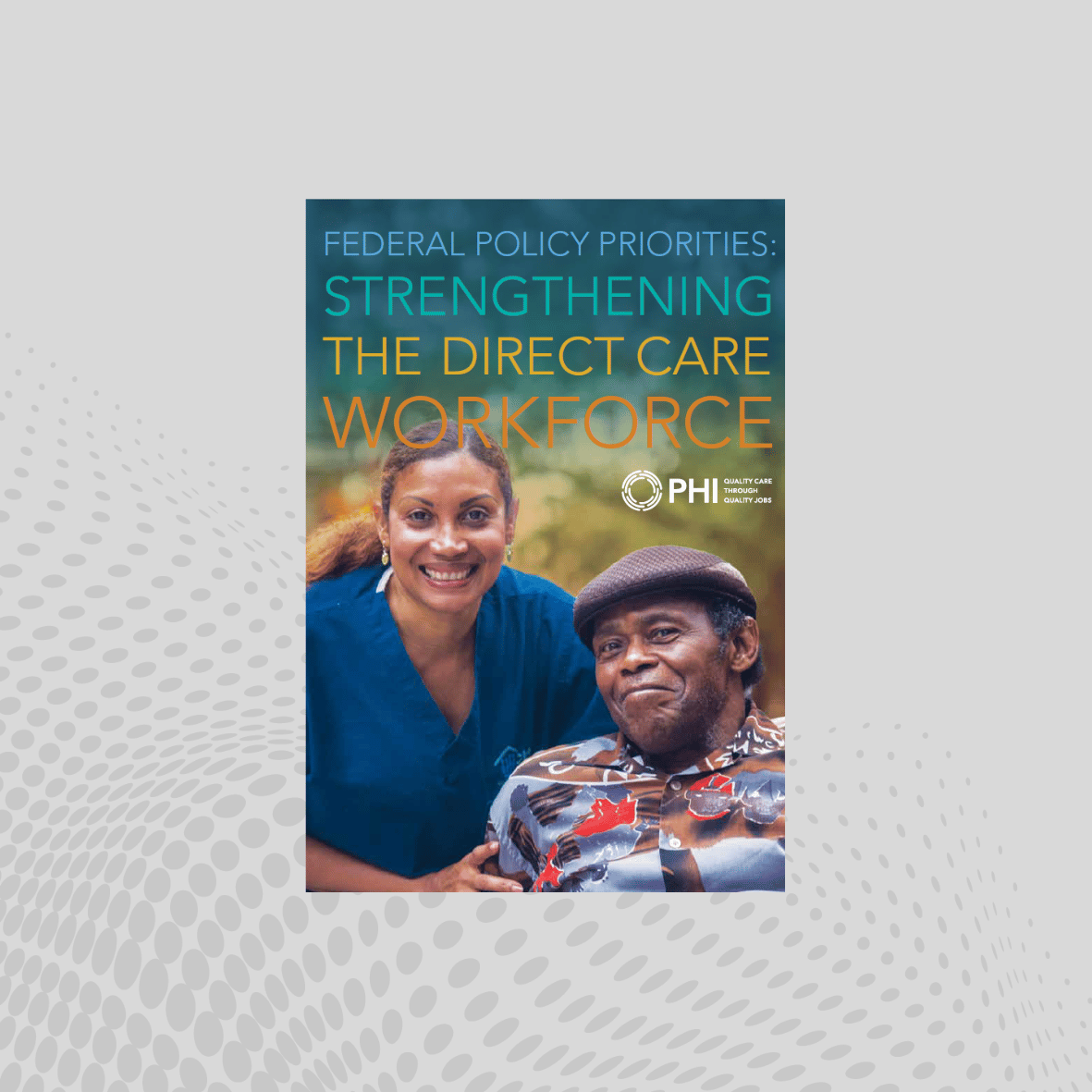
A 2017 federal priorities report from for a new presidential administration and Congress that details how to improve direct care jobs.

A 2020 report from PHI on how poor job quality shapes direct care, worsened by COVID-19, and introducing PHI’s five-pillar framework to improve jobs.
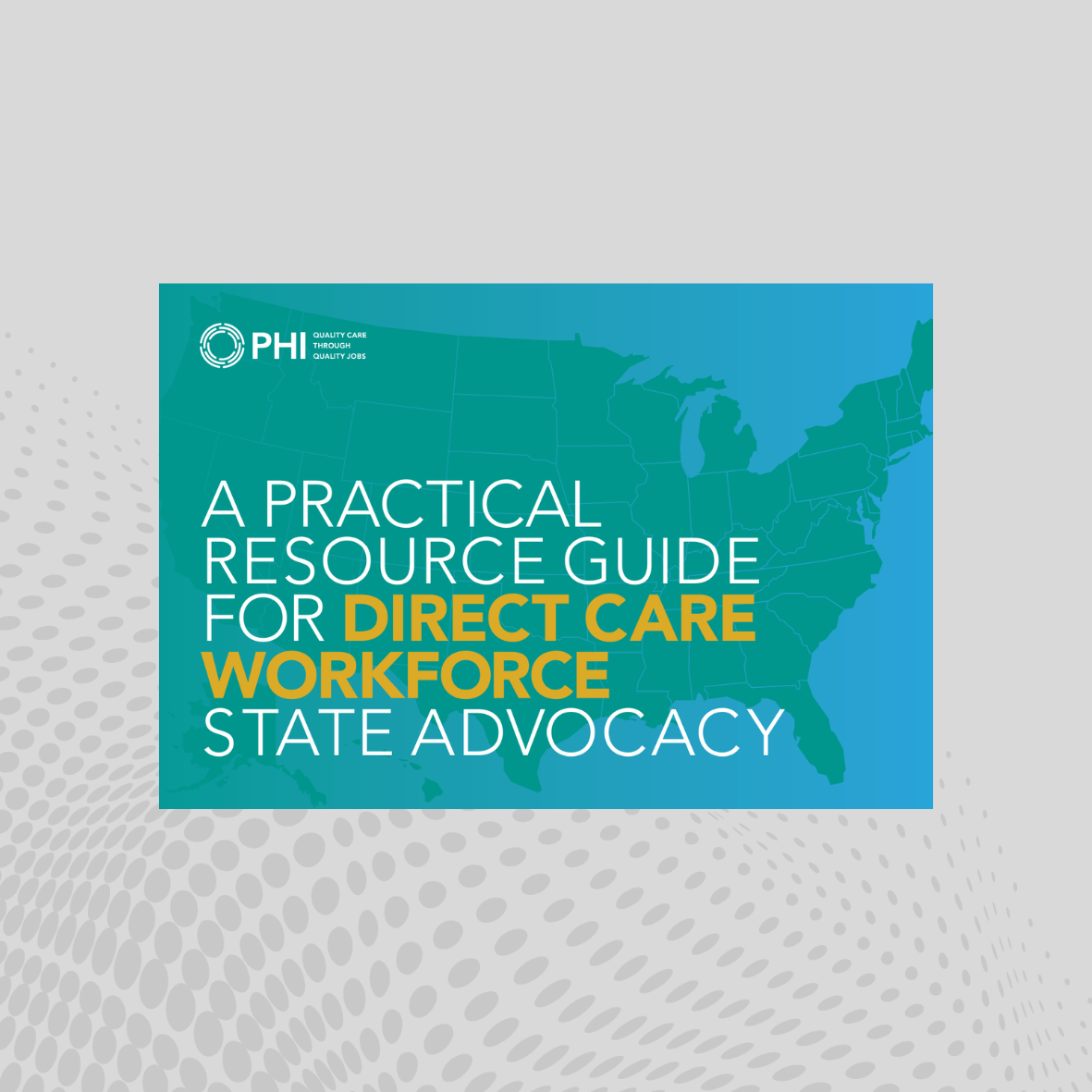
A 2023 digital advocacy guide from PHI for states working on direct care workforce issues, with 20 strategies and 60 clear action steps.
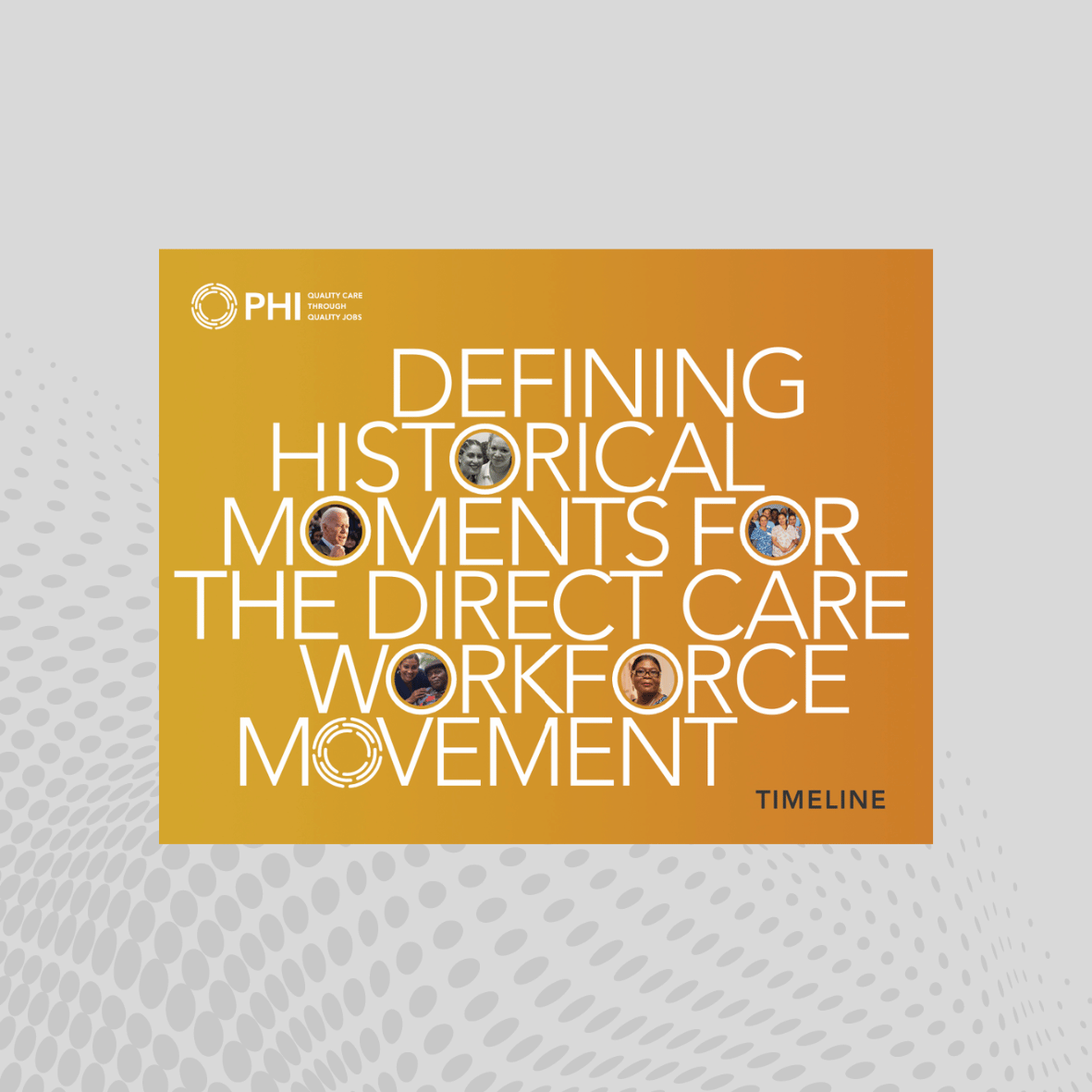
A 2022 report from PHI that traces decades of change and highlights the many groups working to improve job quality for direct care workers.
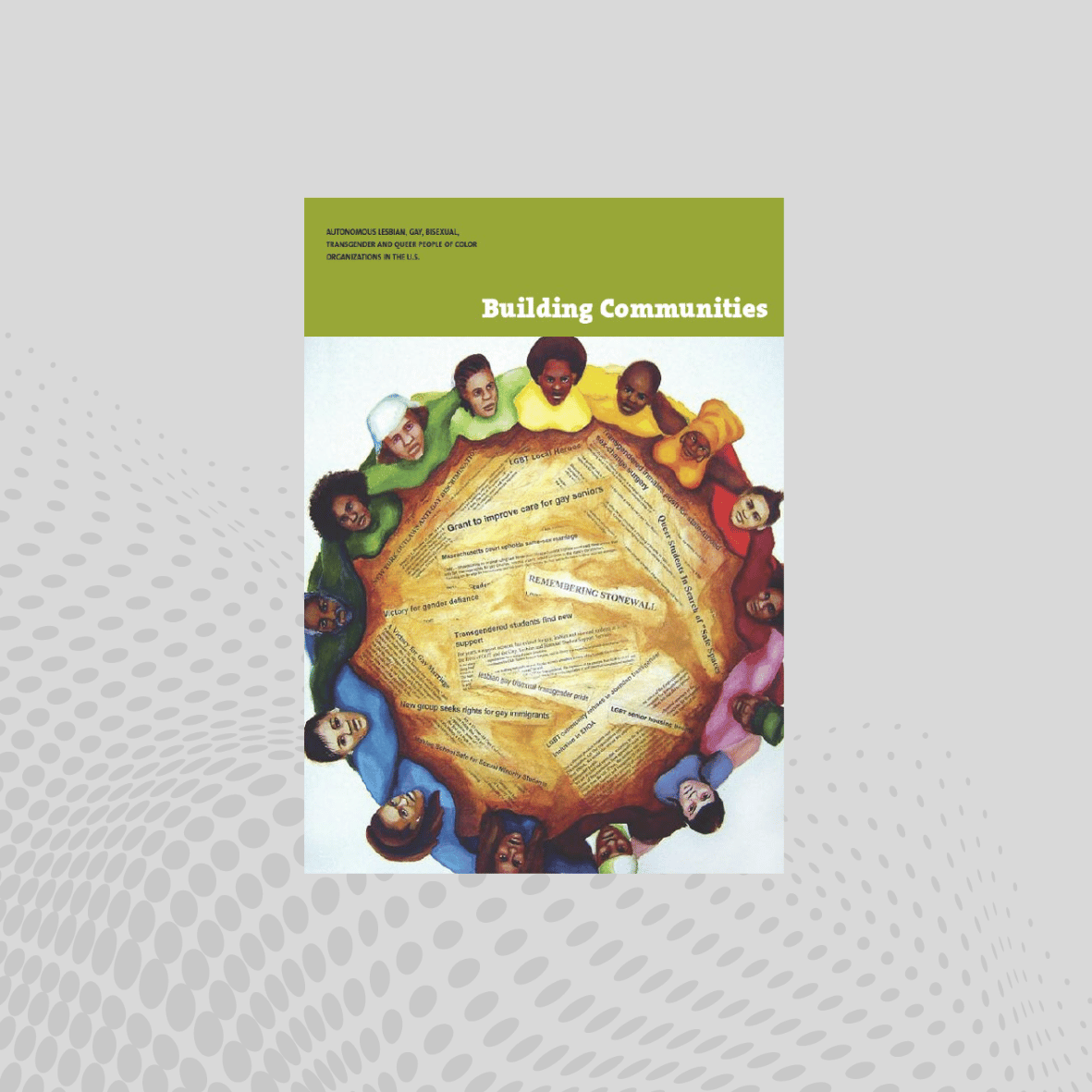
A first-ever report on autonomous lesbian, gay, bisexual, transgender, and queer people of color organizations in the U.S., from Funders for LGBTQ Issues.

A 2007, first-ever international study on grantmaking for LGBTQI issues and populations in the Global South and East, from Funders for LGBTQ Issues.
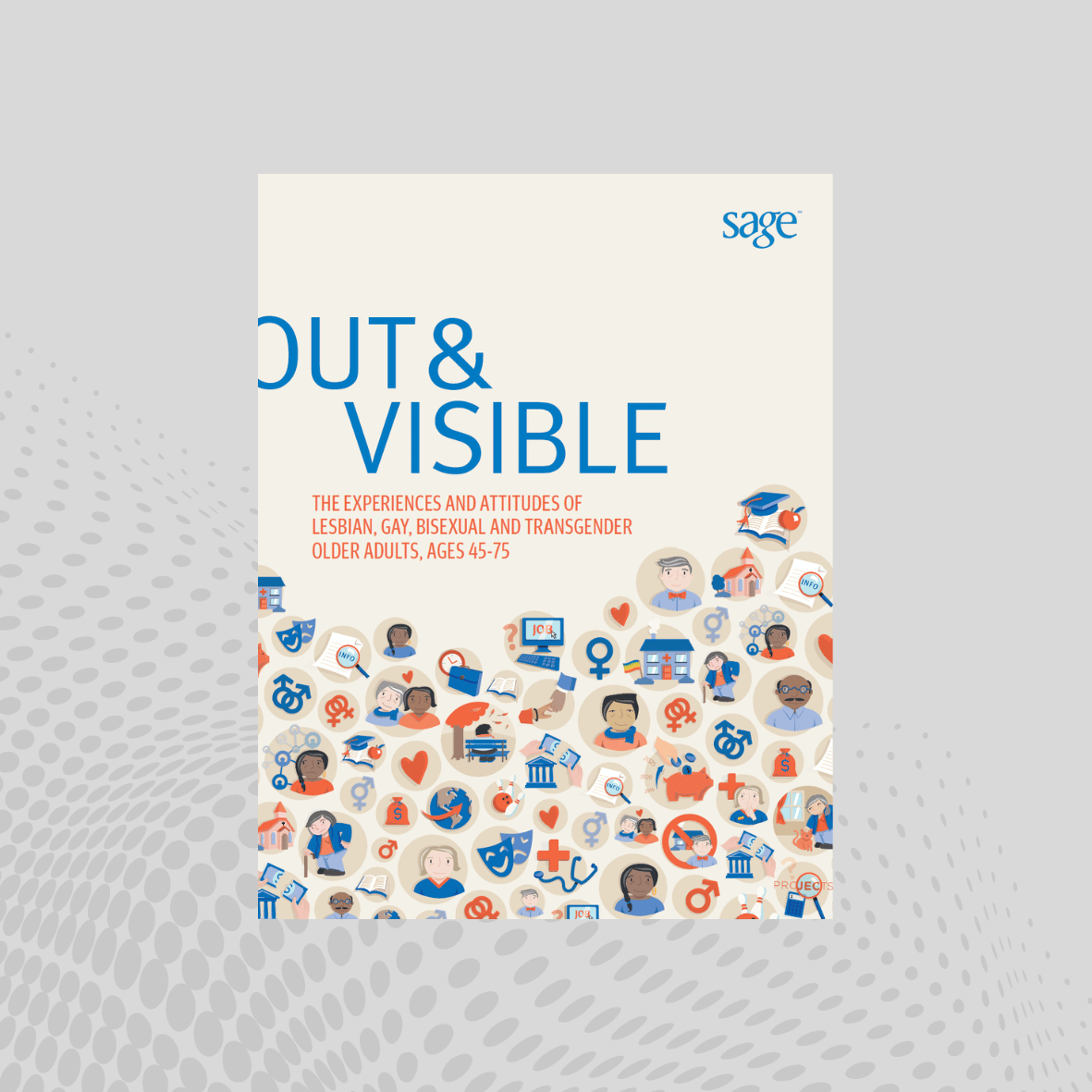
A groundbreaking 2015 study from SAGE on LGBT older adults, exploring their values, needs, and preferences—in collaboration with AARP and the Harris Poll/Nielsen.
A 2011 policy brief from SAGE showing how reauthorizing the Older Americans Act was a rare chance to direct major resources to support LGBT older adults.

“Few people can translate the complexities of long-term care policy as clearly as Robert Espinoza. He has a gift for bringing clarity to issues that are often overlooked and helping others see both the challenges and the opportunities for meaningful progress.”
— Jodi M. Sturgeon, President and CEO, PHI, the nation’s leading authority on the direct care workforce.



Meet the Founder
Robert Espinoza is a nationally recognized workforce and care economy strategist and CEO of The CareWorks Project, partnering with leaders to redesign long-term care systems so people live with dignity, workers thrive, and communities prosper.