To Bridge the Caregiving Divide™, Our Future Demands Courage and Imagination

The Fault Line Running Through Work, Family, and Policy
America is aging fast—and our care systems aren’t ready. Today, 17.6 million older adults and people with disabilities rely on long-term care. Behind them stands an enormous ecosystem powered by 5.4 million direct care workers, more than 63 million family caregivers, and over $250 billion in public spending each year.
And yet, for millions of families, finding reliable care still feels like navigating a maze.
Workers struggle to earn a living. Families drain savings or leave jobs. Employers scramble to fill positions. States wrestle with growing costs.
Running through the entire care economy is a structural fault line—what The CareWorks Project calls the Caregiving Divide™.
There are only four kinds of people in the world: those who have been caregivers, those who are currently caregivers, those who will be caregivers, and those who will need caregivers.
— Rosalynn Carter


What Is the Caregiving Divide?
The Caregiving Divide is the gap between what people need to give and receive care—and what our systems actually provide.
Long-term care means ongoing help with everyday life: bathing, eating, managing medications, getting dressed, or simply remaining safe at home. Most Americans will need some form of this support as they age.
But the systems meant to deliver it are fragmented, underfunded, and uneven.
Whether someone receives good care—or any care at all—often depends on factors that have little to do with need:
Where they live
What they earn
The strength of their family support
The availability of workers nearby
The divide shows up everywhere.
A middle-class family may earn too much to qualify for Medicaid but nowhere near enough to afford $75,000 or more per year for home care.
A worker earning $16 an hour may provide essential daily care while struggling to pay their own rent.
A rural county may simply have no providers available at all.
The result is a system that leaves millions of people—families, workers, and employers alike—trying to patch together solutions on their own.
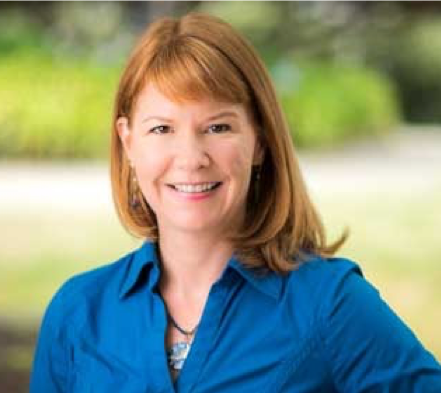
"Robert is deeply knowledgeable about the issues facing workers and employers in long-term care and has a passion for developing strategies to better leverage the workforce. He focuses equally on the value and needs of the workforce and the end goal of advancing high-quality, person-centered care, and brings his years of experience to the partnerships he builds."
— Joanne Spetz, PhD, Director, Philip R. Lee Institute for Health Policy Studies & Claire D. and Ralph G. Brindis Endowed Professor in Health Policy Studies, University of California, San Francisco
Why the System Struggles
The Caregiving Divide isn’t caused by a single policy failure. It grows from several structural forces that shape how U.S. care works.
Care is treated as a private problem.
In many parts of American culture and policy, care is seen primarily as a family responsibility, which means public policy often assumes families will step in first—and only offers help after people exhaust savings or fall into poverty.
Medicaid, the primary payer of long-term care, reflects this structure. To qualify, many people must spend down most of their assets first.
For millions of families, that means losing decades of savings before help arrives.
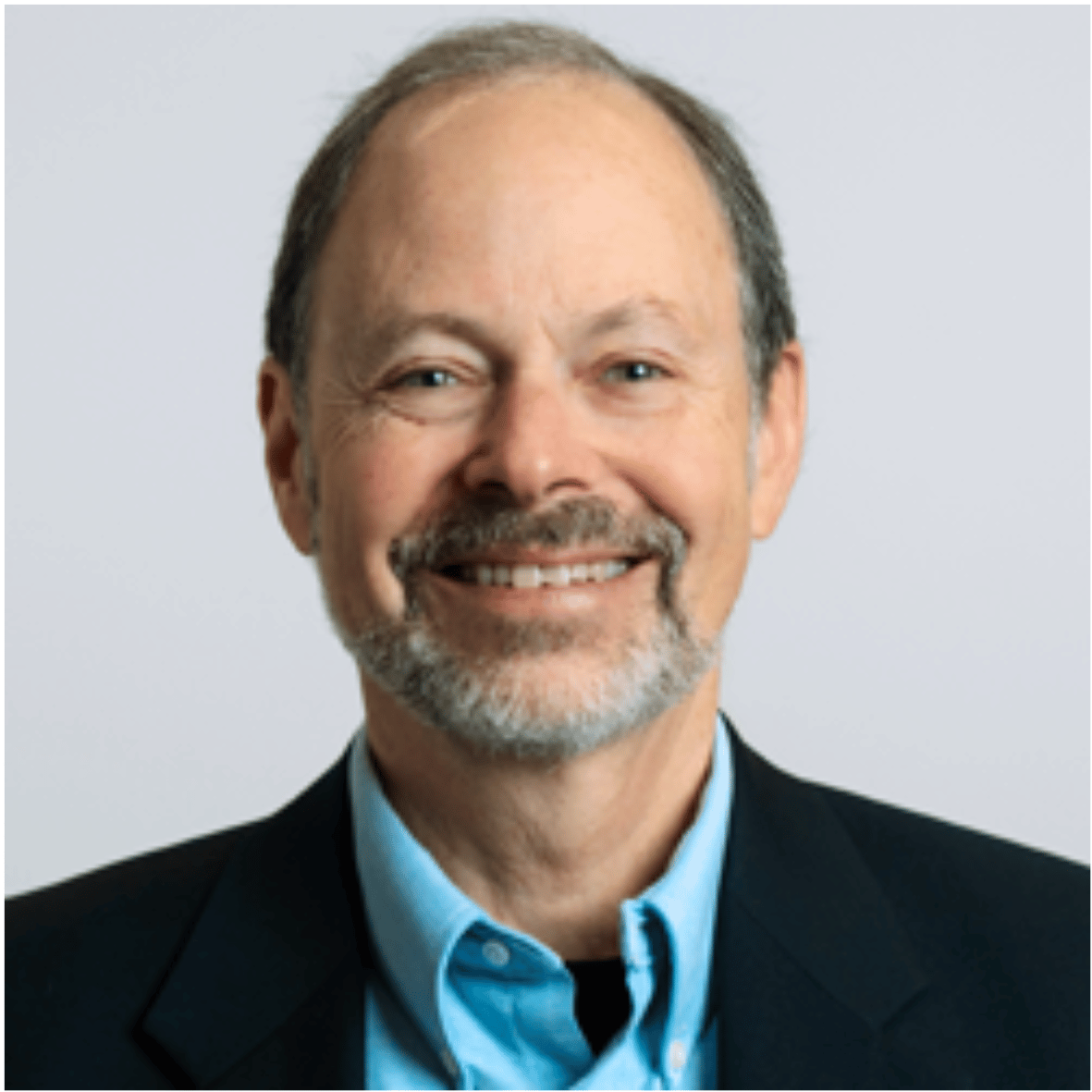
“While new policies and funding are necessary ingredients for fixing the long-term care system, they are not sufficient. Nothing really happens without a deep understanding of the people and systems that make care possible. Having worked on many initiatives with Robert Espinoza, I can say with confidence, that he brings a rare combination of insight, strategy, real-world experience, humility, and deep desire to engage, to all of the policy and practice conversations that are needed to move the issues of caregiving, aging, and the care workforce forward.
— Marc A. Cohen, PhD, Co-Director of the LeadingAge LTSS Center at the University of Massachusetts Boston and Research Director at Community Catalyst, a national nonprofit advancing health equity through policy, advocacy, and consumer engagement.
2. Strained public financing meets a fragile private market.
Most long-term care is publicly financed—but privately delivered.
Medicaid pays for a large share of care services, yet those services are typically provided by private home care agencies, nonprofit providers, or nursing facilities.
When reimbursement rates are low, providers struggle to offer competitive wages or invest in training and workforce stability.
The consequences ripple outward:
High turnover
Chronic staffing shortages
Disrupted care for families
3. Geography determines opportunity.
Where you live can dramatically shape your care options.
Because long-term care policy is split between federal and state governments, access and quality vary widely across the country.
Some states have invested heavily in home- and community-based care. Others still rely heavily on institutional care or face long waiting lists.
Even workforce rules vary by state. Training standards, certification requirements, and job mobility often differ, making it difficult for workers to move between states or advance in their careers.
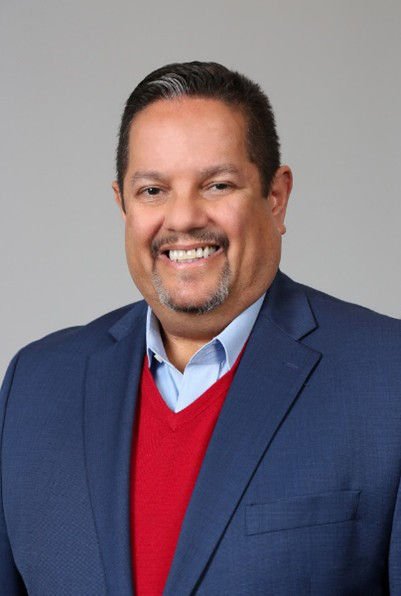
“At our statewide conference in 2025, Robert Espinoza helped leaders understand how rapidly changing federal policies could shape the future of workforce development in Illinois. His ability to connect national developments to real decisions facing states made his keynote both timely and invaluable.”
— Julio Rodriguez, Director of Program Services at the Workforce Development Division of the Department of Commerce and Economic Opportunity for the State of Illinois.
4. Care is often unaffordable.
Long-term care is one of the largest financial risks families face.
Home care, assisted living, and nursing homes routinely cost tens of thousands of dollars per year, while private long-term care insurance covers only a small share of Americans.
Many middle-income families face an impossible choice:
Pay for care out of pocket
Rely on unpaid family support
Or spend down assets to qualify for Medicaid
Economics drives the divide between those who can secure care and those who cannot.

“Care happens in homes and communities every day—through the hands of direct care workers and the devotion of family caregivers. Robert Espinoza has spent his career making sure both are seen, valued, and supported in the policies that shape our caregiving ecosystem.”
— Jason Resendez, President and Chief Executive Officer of the National Alliance for Caregiving, a leading national coalition advancing research, policy, and innovation to support family caregivers.
5. Care work has been historically devalued.
Caregiving in America sits at the intersection of gender, race, and economic inequality.
The direct care workforce—home care workers, personal care aides, and nursing assistants—is composed largely of women, immigrants, and workers of color. Despite the skill and emotional labor required, wages remain low and career pathways limited.
Today, one in four direct care workers is over age 55, even as the nation faces a projected shortage of millions of workers in the coming decade.
Without better jobs, the workforce simply cannot grow fast enough to meet demand.

"Robert Espinoza consistently prioritizes the voices and experiences of those most impacted by care policies—low-paid workers, people with disabilities, immigrants, and marginalized older adults—recognizing their central role in shaping effective solutions. This work is crucial to moving beyond simplistic approaches and building systems that genuinely serve all of our communities."
— Indivar Dutta Gupta, Founder & CEO, Blue Lotus Strategies, and Fellow at the Roosevelt Institute, a nationally recognized think tank shaping progressive economic policy and advancing ideas that expand opportunity, rebalance power, and strengthen democracy.
6. The public narrative is incomplete.
Care remains largely invisible in public life.
News coverage often focuses on individual crises rather than the broader system. Policymakers discuss costs without explaining how care actually works. Many Americans confuse long-term care with medical care—or assume it is something families manage privately.
This lack of public understanding limits political will and slows progress toward systemic solutions.
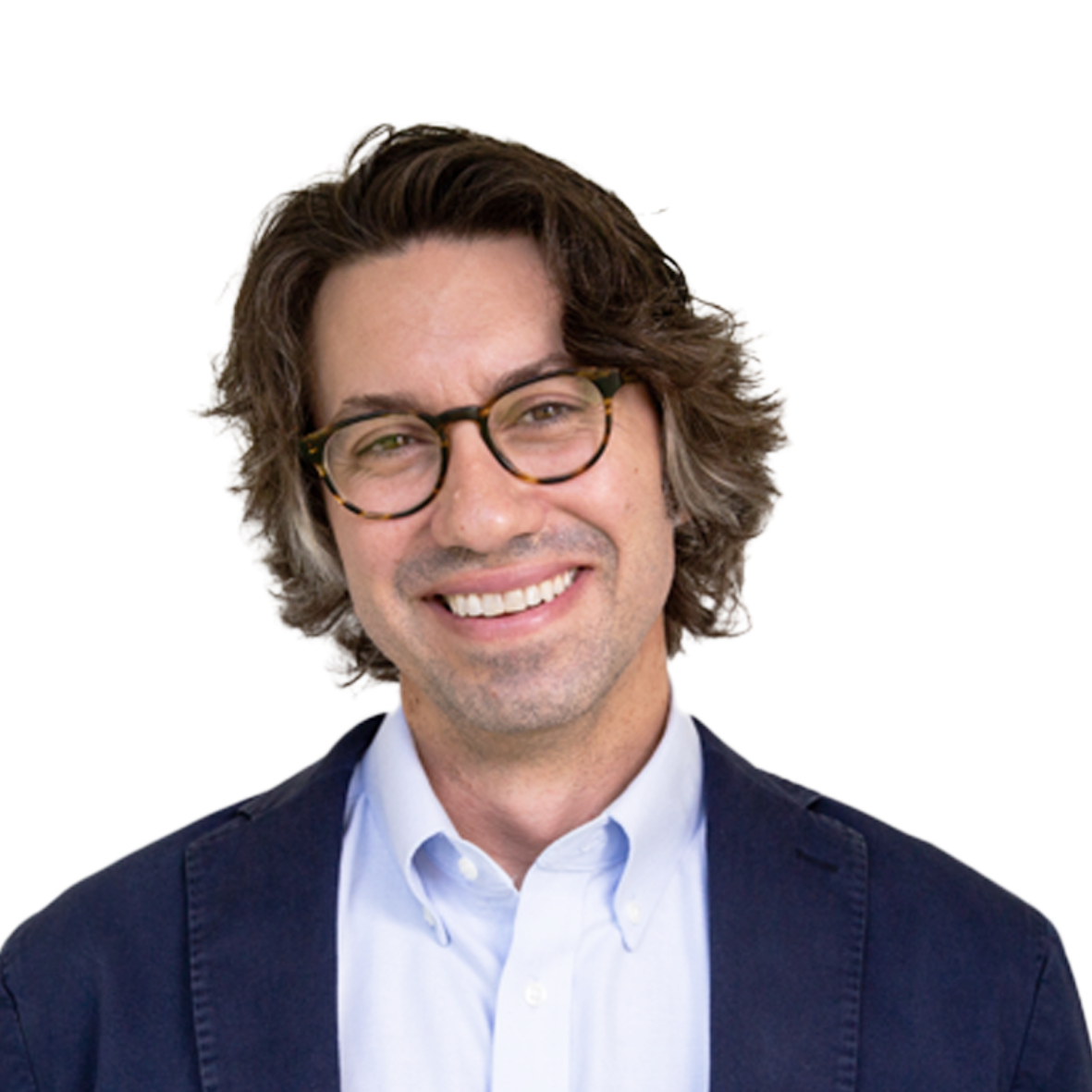
“Robert has a rare combination of deep expertise on care policy and the high-level narrative and storytelling chops it takes to build demand for solutions to these important but challenging issues.”
— Nat Kendall-Taylor, PhD, Chief Executive Officer, FrameWorks Institute, a globally respected research organization advancing the science of narrative and strategic framing in social change.


The Ripple Effects
The Caregiving Divide touches nearly every part of society.
Families. Millions of family caregivers reduce work hours, turn down promotions, or leave the labor force entirely to support loved ones.
The emotional and financial toll can last for years.
Direct Care Workers. Workers provide essential support to older adults and people with disabilities, yet many struggle to make ends meet.
Low wages and limited advancement opportunities drive high turnover, disrupting care and deepening workforce shortages.
Employers. Caregiving responsibilities affect productivity across the economy.
Employees juggling work and family care often face absenteeism, burnout, or career disruptions—costing businesses billions annually.
The Economy. When care systems fail, the consequences ripple across sectors.
Families lose income. Workers remain in poverty. Employers lose talent. Public spending rises to address crises that could have been prevented through stronger care infrastructure.
In short: long-term care is not a side issue in the economy. It is foundational to it.
Care, reimagined.
The Caregiving Divide is not inevitable.
The CareWorks Project is an innovation lab and consulting studio helping leaders transform how the long-term care ecosystem works.
We partner with organizations across sectors to design practical solutions that strengthen care systems, support workers, and expand access for families.
Our work is grounded in a simple belief that a future that honors the people who give and receive care is within reach.
But closing the Caregiving Divide will require bold thinking, new partnerships, and a commitment to building systems that truly work—for everyone.
From the Studio