

Founder’s Playbook
Social Enterprise
Mission-driven organizations increasingly recognize that impact depends on more than great ideas—it requires durable revenue. Across philanthropy, government, earned income, and social enterprise, Robert Espinoza has helped leaders design funding strategies that align purpose with viability. This is how mission becomes sustainable.
Images courtesy of the Leadership & Society Fellows Initiative at the University of Chicago.
Designing What Comes Next
-
When funding fragmentation threatens long-term impact. Many nonprofits rely too heavily on a single revenue source—often grants—leaving them vulnerable to shifting priorities, political cycles, or economic downturns. Leaders know diversification matters, but struggle to integrate fundraising, earned revenue, and enterprise models into a coherent strategy. The challenge is not choosing one model—but building a portfolio that works together.
-
A fully rounded approach to revenue and impact. Today’s nonprofit organizations must integrate mission and money—across philanthropy, public funding, and earned revenue—while remaining adaptable, accountable, and impact-driven.
A fully rounded approach helps organizations:
Design and test viable program and social enterprise models
Secure public funding through competitive contracts and grants
Build durable foundation support around clear, fundable ideas
Develop earned-revenue strategies, including service design, pricing, and delivery
At its core, this approach reflects a simple truth: revenue is not a support function—it is a strategic driver of resilience and scale.
-
From fundraising to financial strategy. When clients work with The CareWorks Project, they develop practical, mission-aligned models for financial sustainability. They gain clear definitions and use cases for social enterprise and earned revenue, test business models grounded in real market demand, and build funding strategies that integrate philanthropy, public funding, and earned income. Grant portfolios become more intentional and durable, while consulting and service offerings are clarified through defined pricing, scopes, and contracts. Most importantly, leaders build the confidence to explore new revenue pathways responsibly, with a clearer understanding of how impact is financed—not just why it matters.
As a result, organizations move from reactive fundraising to intentional revenue design. Boards are better equipped to weigh risk against sustainability, leaders become more fluent in navigating multiple funding streams, and mission-aligned ideas evolve into financially viable initiatives rather than unfunded aspirations. Clients gain more than funding—they gain options: diversified revenue strategies, tools to test and adapt new models, stronger funder and partner relationships, and the ability to sustain impact over time.
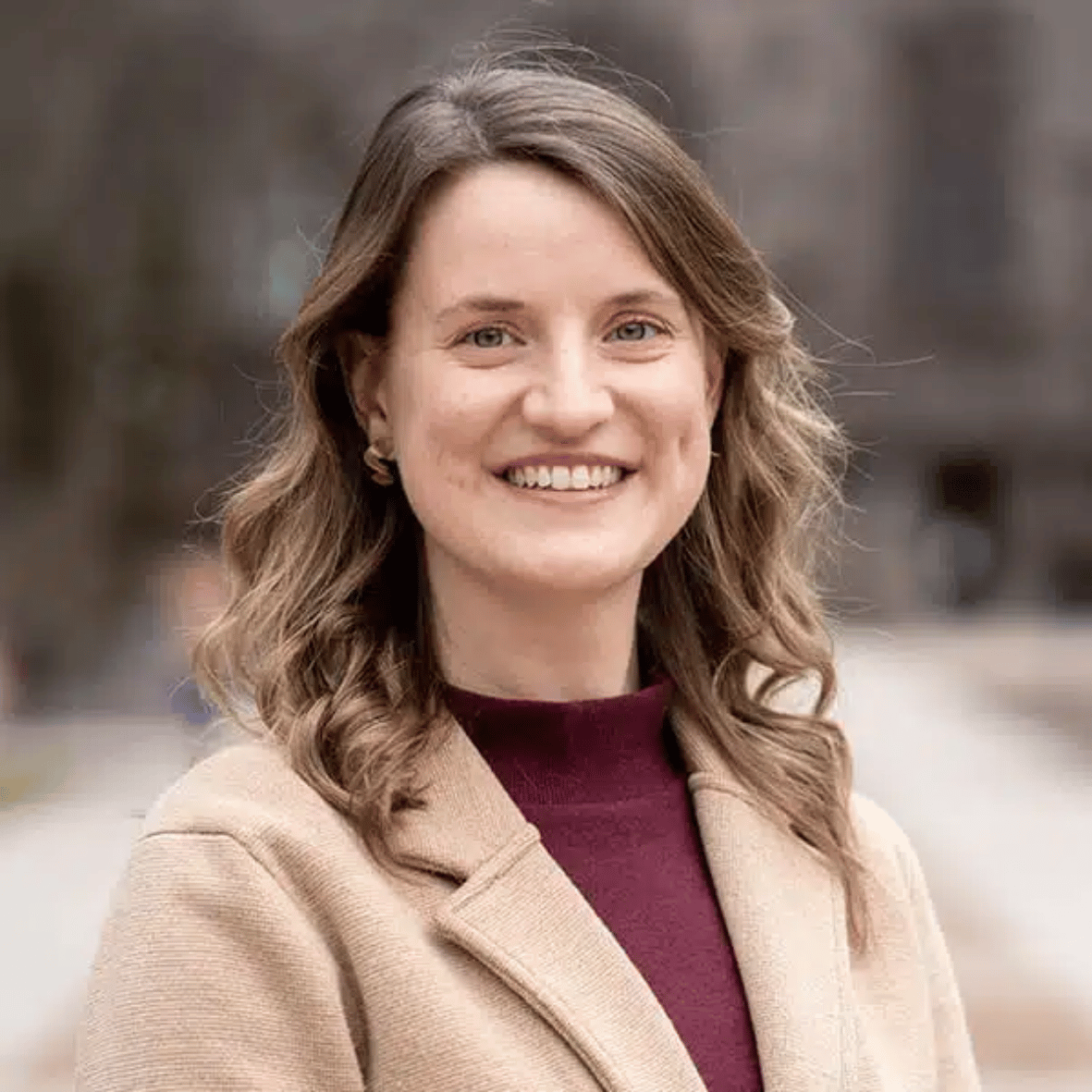
“Few leaders understand the care economy as deeply as Robert Espinoza. His work highlights how caregiving—and the workforce behind it—will shape our society, our industries and economy, and our democracy in the decades ahead.”
— Diana Petty, Executive Director, Leadership and Society Initiative, University of Chicago
Social Enterprise & the Future of Social Change
Beginning in fall 2025, Robert Espinoza was selected as one of a small, select cohort 20 seasoned leaders nationwide to participate in the University of Chicago’s year-long Leadership $ Society Fellows Initiative. The fellowship provided rigorous training in social enterprise, modern approaches to social change, and organizational leadership, with a strong emphasis on aligning mission, impact, and diversified revenue.
Through this experience, Robert deepened his expertise in market-based solutions, sustainable funding models, and adaptive strategies that help mission-driven organizations build financial resilience while advancing long-term social impact.
-
In today’s volatile funding environment, no single revenue source is sufficient to sustain long-term impact. Diversified revenue strategies help mission-driven organizations reduce risk, increase resilience, and align funding with strategy. Understanding how private foundations, government grants, individual donors, major gifts, corporate sponsorships, and earned revenue work together allows organizations to make smarter choices—balancing restricted and unrestricted funds, short-term wins and long-term investments, and fundraising capacity with mission priorities.
Robert Espinoza brings a holistic perspective to diversified revenue grounded in decades of experience across all major funding streams. He has secured millions in foundation and government funding, supported individual and major donor strategies, advised on corporate partnerships, and helped organizations design earned-revenue and consulting models that complement philanthropic support. Through this work—and advanced training through the University of Chicago’s Leadership & Society Initiative—Robert helps leaders understand the strategic trade-offs of each funding source and build integrated revenue approaches that are sustainable, mission-aligned, and built to endure.
-
As funding landscapes grow more competitive and unpredictable, social enterprise has become an increasingly important strategy for mission-driven organizations seeking sustainability without mission drift. At its core, social enterprise is about designing business models that generate revenue while advancing social impact—ensuring that solutions are not only meaningful, but durable. Done well, social enterprise blends the discipline of the market with the values of the nonprofit sector, requiring organizations to think clearly about customers, beneficiaries, partners, costs, and value creation. It challenges leaders to test assumptions, understand trade-offs, and build models that are desirable to the people they serve, feasible to operate, and financially viable over time.
Robert Espinoza developed this perspective through hands-on exploration of social enterprise design, including his work in the University of Chicago’s Leadership & Society Initiative. There, he studied how social ventures integrate tools like logic models and theories of change with business frameworks such as the business model canvas—bridging impact intent with operational reality. Today, Robert helps organizations clarify what social enterprise can realistically mean for them, identify stakeholders and revenue pathways, and prototype models aligned with their mission and capacity. His approach demystifies social enterprise, helping leaders move from aspiration to informed experimentation—and, ultimately, to sustainable impact.
-
In today’s economy, nonprofits can no longer afford to view impact investing as peripheral or “not for them.” Capital markets are increasingly shaping which solutions scale, which innovations survive, and which social challenges receive sustained investment. Impact investing—when properly understood—aligns intentional social or environmental outcomes with financial return, offering a powerful alternative to the false choice between profit and purpose. As this approach has moved from niche to mainstream, it has reshaped how funders, institutions, and investors think about risk, return, and responsibility. For nonprofits, understanding impact investing is not about becoming financiers—it’s about knowing how capital flows, how impact is evaluated, and how mission-driven work can engage new sources of influence and funding.
Robert Espinoza deepened this expertise as a Fellow in the University of Chicago’s Leadership & Society Initiative, where he studied the foundations, evolution, and practical tools of impact investing. Through this work, he learned how investors assess impact alongside financial performance, how markets can be leveraged to address social challenges, and how organizations can position their work within this evolving landscape. Today, Robert helps nonprofit leaders demystify impact investing, understand where it fits within their mission, and identify realistic ways to engage with impact-oriented capital—translating complex financial frameworks into strategic insight organizations can actually use.

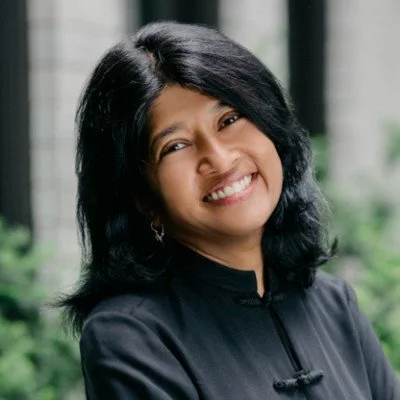
“Robert Espinoza has a sophisticated understanding of how philanthropy, impact investing, and social change organizations intersect. His work on the caregiving economy shows how these sectors can align to strengthen both the care workforce and the systems that depend on it.”
— Sampriti Ganguli, Founder of Ganguli Associates LLC and former CEO of Arabella Advisors, one of the nation’s leading philanthropic advisory firms.

“Robert Espinoza understands the real pressures home care agencies face—from workforce shortages to payment systems that rarely match the cost of quality care. Just as importantly, he recognizes the leadership that business owners bring to reforming long-term care.”
— Kevin Smith, Chief Executive Officer of Best of Care, Inc., a leading home care provider supporting older adults and people with disabilities across Massachusetts.
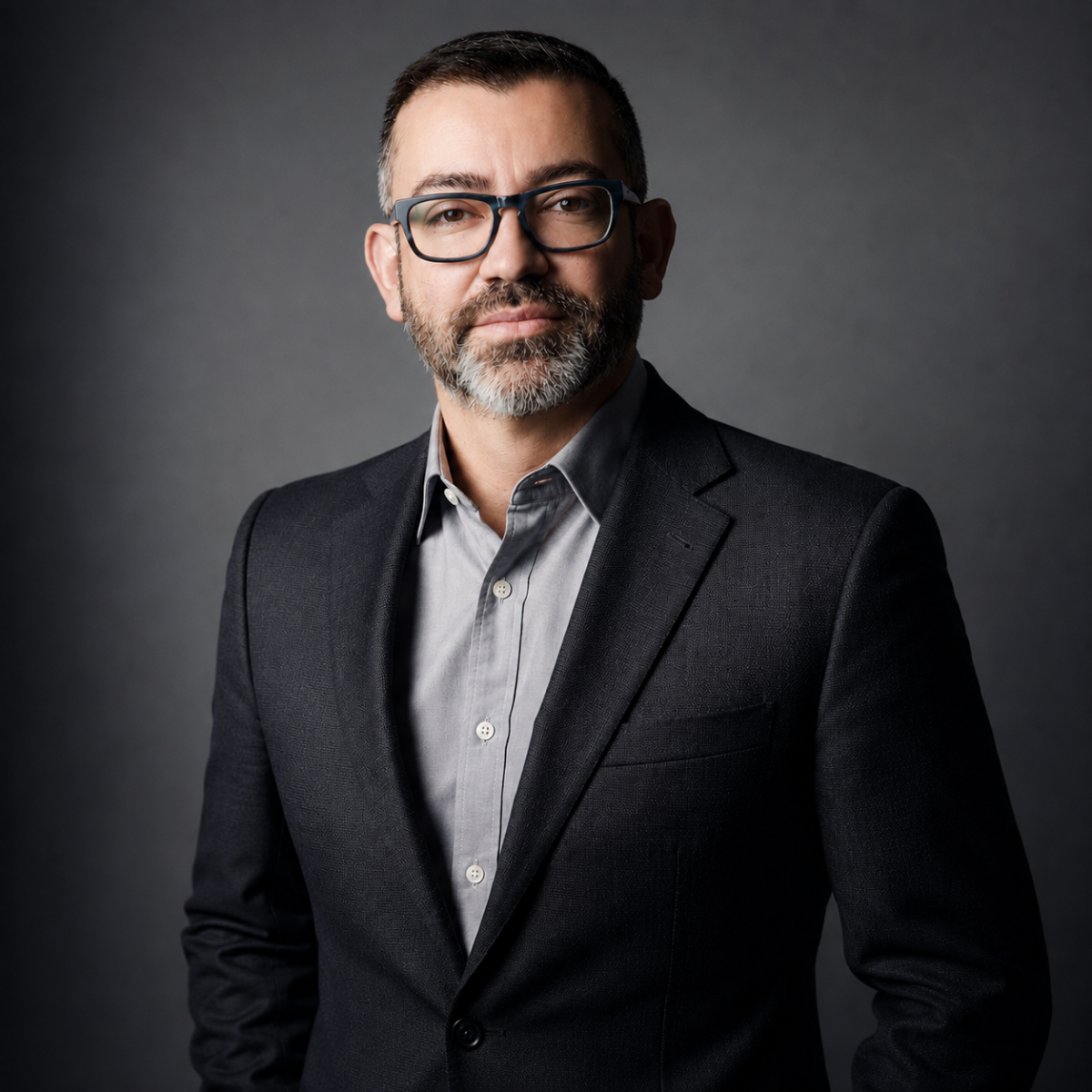
Meet the Founder
Robert Espinoza is a nationally recognized workforce and care economy strategist and CEO of The CareWorks Project, partnering with leaders to redesign long-term care systems so people live with dignity, workers thrive, and communities prosper.